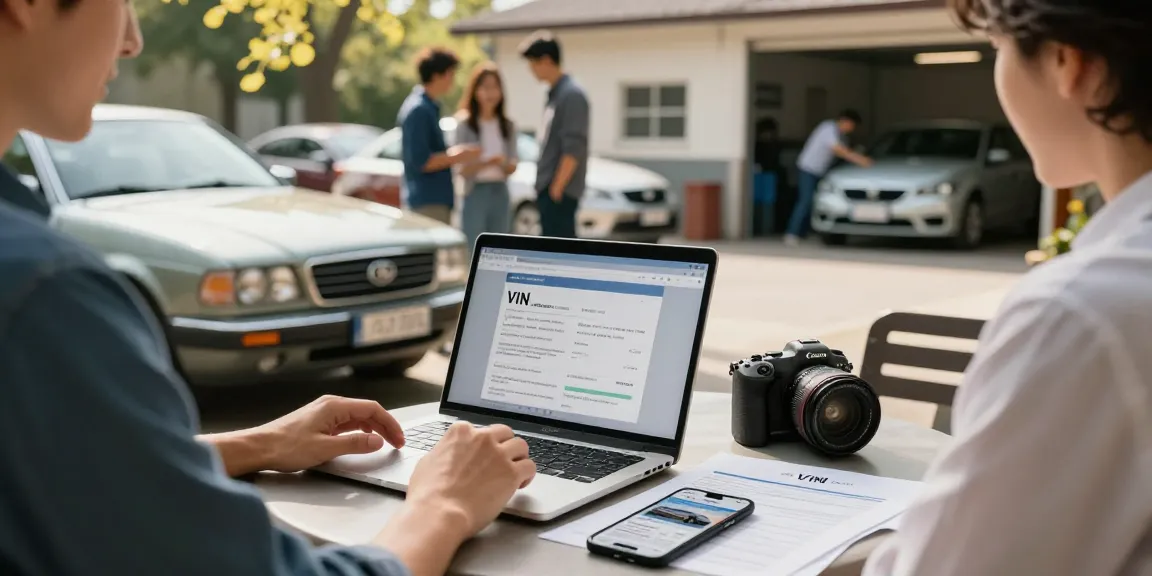
Understanding the Importance of Vehicle History Reports
When it comes to buying a used car, one of the most critical steps in the process is checking its history. Vehicle history reports serve as a detailed account of a car's past, highlighting any potential issues that could lead to costly mistakes down the road. With tools like carfax, buyers can gain insights into a vehicle's service records, accident history, and previous ownership, ensuring they make informed decisions.
What Is a Carfax and How It Works?
A Carfax report is a comprehensive document that provides essential details about a vehicle using its unique 17-character Vehicle Identification Number (VIN). This report typically includes information such as accident reports, salvage titles, service history, and odometer readings. The process is simple: once the VIN is entered into the Carfax system, buyers can unlock a full report, empowering them with the tools necessary to assess a used car’s history effectively.
Key Benefits of Checking a Vehicle History
- Uncover Hidden Issues: A Carfax report can reveal undisclosed damages or past accidents that could impact the vehicle's performance and value.
- Verify Ownership: It provides clarity on the number of previous owners and whether the car has ever been declared a total loss.
- Prevent Fraud: With over $1 billion lost annually to odometer fraud in the U.S., verifying mileage through a history check can save buyers from financial pitfalls.
- Enhance Negotiation Power: Knowing the vehicle's history gives buyers leverage in negotiations, particularly when discrepancies arise.
Common Misconceptions About Vehicle Reports
Many buyers mistakenly believe that vehicle history reports are only necessary for older cars or high-value vehicles. However, any used car—regardless of age or price—can harbor hidden issues that a buyer isn't aware of. Another misconception is that all history reports are created equal. While Carfax is a leading provider, not all reports include the same level of detail or accuracy, making it crucial to understand what each report offers.
What to Look for in a Carfax Report
Critical Sections of the Carfax Report Explained
A thorough Carfax report consists of several key sections that every used car buyer should understand:
- Accident History: Indicates whether the car has been involved in any accidents and the severity of those incidents.
- Title Information: Details if the vehicle has a clean title or if it has been issued a salvage title, which signifies it has been declared a total loss.
- Service Records: Shows past maintenance and repairs, giving insight into how well the vehicle has been cared for.
- Odometer Readings: Essential for confirming whether the vehicle's mileage is accurate and preventing odometer fraud.
How to Identify Red Flags in Vehicle History
Buyers should be vigilant while reviewing a Carfax report for potential red flags, such as frequent changes in ownership, a history of accidents, or inconsistencies in odometer readings. Each of these indicators can signal underlying problems that may not be immediately apparent during a visual inspection.
Understanding Salvage Titles and Their Implications
A salvage title is issued to a vehicle that has been damaged and deemed a total loss by an insurance company. Buying such a vehicle often comes with risks, including concerns over safety, reliability, and resale value. Buyers should carefully evaluate the implications of owning a vehicle with a salvage title before proceeding with a purchase.
Comparing Carfax with Alternative Services
Pros and Cons of Using Carfax vs. Other Providers
While Carfax is a well-known service, buyers may wonder how it compares to its competitors. Services like AutoCheck and VinAudit offer vehicle history reports as well, but their coverage and details might differ significantly from Carfax. For instance, Carfax reports tend to be more comprehensive, but alternatives may offer lower prices or specialized features. It's crucial to consider these factors based on your specific needs.
What Free Services Should You Consider?
Many resources provide free vehicle history information, including the National Insurance Crime Bureau (NICB) and local DMV sites. While these services can give you a basic overview, they may not offer the detailed insights found in a paid Carfax report. For serious buyers, investing in a full report is often worth the cost.
Cost-Effectiveness of Premium Vehicle Checks
Investing in a premium vehicle check, such as a Carfax report for $14.99, could save you thousands in future repairs or lost value. By identifying potential issues upfront, you can negotiate better prices or avoid purchasing vehicles with hidden problems entirely.
Steps to Take After Receiving Your Carfax Report
Interpreting the Data for Negotiation
Once you have your Carfax report, understanding how to interpret the data can be transformative during negotiation. Highlight any negative findings with the seller to discuss price adjustments or additional repairs. Showing that you are informed about the vehicle's history can also compel the seller to be more forthcoming during negotiations.
When to Walk Away from a Deal
Red flags in the Carfax report may indicate that walking away is the best option, especially if the vehicle has a salvage title or significant accident history. Trust your instincts—if something feels off, it likely is. The right car for you is one that offers peace of mind as well as reliability.
Utilizing Carfax for Future Vehicle Maintenance
Even after a purchase, the Carfax report can be a valuable resource, aiding in future maintenance decisions. Keeping up with recommended service schedules based on the history provided may extend the life of your vehicle and optimize performance.
Future Trends in Vehicle History Checking
Technological Innovations Impacting Carfax Reports
The landscape of vehicle history checking is continuously evolving, with advancements in technology significantly impacting the types of reports available. Emerging technologies like blockchain could enhance data reliability, while enhanced data analytics may provide an even more detailed examination of a vehicle's past.
How AI and Machine Learning Are Shaping Vehicle History Checks
Artificial intelligence and machine learning algorithms are increasingly being integrated into vehicle history reports, allowing for quicker assessments and more accurate predictions regarding vehicle reliability and potential future issues. These advancements will likely lead to a more informed buying experience.
What to Expect from Carfax in 2026 and Beyond
As we move toward a more tech-driven future, buyers can anticipate greater accessibility to comprehensive vehicle history data. Carfax will likely enhance its offerings, potentially including more detailed reports and improved user interfaces, to maintain its status as a leader in the industry.
How do I get a Carfax report for free?
Many car dealerships offer free Carfax reports for vehicles listed in their inventories. Buyers can take advantage of these reports by simply asking the dealer for access. Some online platforms may also provide free Carfax reports alongside listings.
Why is checking a Carfax report essential?
A Carfax report is essential to ensure that a buyer makes an informed decision. It acts as a safeguard against financial loss, allowing potential owners to avoid vehicles with serious hidden problems.
What information does a Carfax report provide?
A comprehensive Carfax report provides information on the vehicle's accident history, title status, service records, mileage validations, and much more, equipping buyers with the knowledge needed to make confident purchases.
What to do if a Carfax report has discrepancies?
Should you encounter discrepancies in a Carfax report, it’s essential to address them before completing a purchase. Contact the seller for clarification and consider having a mechanic inspect the vehicle to verify claims made in the report.
Can I trust the information in a Carfax report?
Carfax reports are generally reliable, derived from numerous sources, including insurance companies and state DMVs. However, it's prudent to stay aware of any limitations, as no report can capture every detail perfectly.