
Cape Cod Homes: Timeless Design and Modern Living
The Allure of Cape Cod Homes
History and Evolution
Cape Cod homes, with their unique charm and coastal elegance, have captivated homeowners for centuries. Originating in the early 17th century, these homes were designed to withstand the harsh New England weather. The original designs were simple, based on English cottage structures, featuring steep roofs and symmetrical facades. Over time, they evolved to embody local craftsmanship and materials, creating the distinctive Cape Cod style we admire today. This architectural form is not only a representation of history but also a response to environmental factors, illustrating the ingenuity of early American settlers.
Architectural Features
The hallmark of the cape cod homes is their steeply pitched roof, designed to shed snow and rain. Traditionally clad in cedar shingles, these homes have a weather-resistant exterior that complements their picturesque settings. Large, centrally located chimneys used to be a staple feature, providing warmth during long winters. Today, you might find modern interpretations that incorporate expansive windows, open floor plans, and eco-friendly materials, blending the old with the new to create a harmonious living space.
Modern Adaptations
As lifestyles have evolved, so too have the designs of Cape Cod homes. Modern adaptations pay homage to the classic design while incorporating contemporary aesthetics. Open-concept layouts, energy-efficient systems, and sustainable materials are increasingly popular. Homeowners today value both comfort and innovation, thus pushing architects to rethink and elevate traditional designs. Elements such as outdoor living spaces, mixed materials, and smart home technologies make Cape Cod homes not only beautiful but functional and efficient.
Key Characteristics of Cape Cod Homes
Exterior Design
The exterior of a Cape Cod home is undoubtedly its most striking feature. The characteristic steep rooflines are often complemented by natural wood siding or painted clapboard in soft colors that enhance the coastal aesthetic. Many homes include dormer windows that provide additional space in the upper levels, often used as bedrooms or office spaces. The front door typically is centered and may be flanked by symmetrical windows, reflecting the home’s balance and timeless appeal.
Interior Layouts
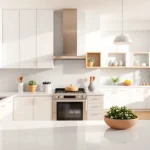
Inside, Cape Cod homes typically showcase a cozy, inviting atmosphere. High ceilings and open floor plans maximize light and space, making even smaller homes feel more expansive. Living areas often feature a central fireplace, serving as a focal point for family gatherings. The kitchen, often referred to as the heart of the home, is usually open to the dining area, allowing for easy interaction during meal prep and entertaining. Bedrooms, usually kept simple and functional, often have built-in storage solutions to optimize space.
Landscaping Ideas
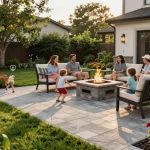
A beautifully landscaped yard enhances the charm of Cape Cod homes. Landscaping designs typically favor native plants, as they require less maintenance and are better adapted to the local climate. Features such as stone pathways, gravel drives, and flower beds filled with hydrangeas or roses create a picturesque setting. Outdoor seating areas, such as patios or decks, encourage outdoor living and capitalize on the natural beauty surrounding these homes. Incorporating traditional New England elements, such as white picket fences or rocking chairs on porches, embodies the quintessential coastal lifestyle.
Building a Cape Cod Home: What to Consider
Choosing the Right Location
When considering building a Cape Cod home, choosing the right location is critical. Popular coastal areas provide not only stunning views but also the quintessential seaside experience. However, factors such as proximity to amenities, community vibe, and local regulations must also be taken into account. A site that offers natural beauty and accessibility can significantly enhance the enjoyment of your home and increase its value over time.
Materials Best Suited for Construction
Building a Cape Cod home requires an understanding of the materials that work best with its design. Traditionally, wood siding was preferred for its durability and aesthetic appeal. Today, builders often incorporate materials like fiber cement and treated wood to ensure longevity and lower maintenance. Energy-efficient windows and roofs are essential for creating a comfortable home that withstands seasonal changes while reducing energy costs. Choosing sustainable materials not only enhances performance but also supports eco-conscious building practices.
Designing Your Dream Space
Designing a Cape Cod home should prioritize both aesthetics and functionality. Engage with a skilled architect to create a plan that reflects your lifestyle while honoring the traditional elements of the style. Consider features like open living spaces, modern kitchen layouts, and specialized rooms such as a home office or a mudroom. Thoughtful design will maximize the potential of your space and create a home that feels inviting and practical.
Maintenance Tips for Cape Cod Homes
Seasonal Upkeep
Proper maintenance is crucial to preserving the longevity and beauty of Cape Cod homes. Regular seasonal upkeep includes inspecting and cleaning gutters, checking roofs for damage, and treating any woodwork to prevent rot due to moisture exposure. Regular painting and power washing can significantly extend the life of the exterior surfaces and keep the home looking fresh and new. This proactive approach will save costs on major repairs in the future.
Preserving Architectural Integrity
Preserving the architectural integrity of a Cape Cod home involves maintaining style consistency in renovations and upgrades. When making modifications, aim to retain historical details such as trim work, window styles, and original materials unless replacements are necessary. Prioritize restorations that celebrate the home’s history while addressing modern requirements, ensuring that any changes align with the classic aesthetic unique to Cape Cod homes.
Eco-Friendly Practices
Many homeowners are increasingly aware of their environmental impact, and Cape Cod homes can embrace sustainability without sacrificing style. Implement eco-friendly practices such as using rain barrels for gardening, installing solar panels, or incorporating energy-efficient appliances. Choosing native plants for landscaping minimizes water usage and promotes local biodiversity. Practicing environmentally responsible habits will enhance your home’s comfort while contributing positively to the environment.
Frequently Asked Questions about Cape Cod Homes
What are the defining features of Cape Cod homes?
Defining features include steep roofs, symmetrical facades, and dormer windows. Exterior materials are typically wood or shingles, while interiors emphasize cozy spaces with functional layouts.
How can I modernize a traditional Cape Cod home?
Modernizing can involve open floor plans, updated materials, and energy-efficient systems while preserving key architectural elements. Consider incorporating contemporary light fixtures and smart home technologies.
What materials are common in Cape Cod home construction?
Common materials include cedar shingles, wood siding, and energy-efficient windows. Sustainable and high-quality materials ensure durability against coastal weather while maintaining aesthetics.
How do I maintain a Cape Cod home’s exterior?
Regular maintenance includes cleaning gutters, inspecting roofs, and repainting surfaces. Power washing and treating wood surfaces also help preserve the home’s charm and protect against wear.
Are Cape Cod homes energy-efficient?
Yes, many Cape Cod homes can be designed with energy efficiency in mind. Utilizing modern insulation, energy-efficient windows, and sustainable materials contribute to lower utility costs and environmental impact.
 Previous Post
 Next Post