
Understanding American Standard HVAC Systems and Their Benefits
What is American Standard HVAC?
The american standard hvac brand is synonymous with quality and reliability in the heating, ventilation, and air conditioning (HVAC) sector. Established with the goal of delivering solutions that enhance comfort, efficiency, and sustainability, American Standard HVAC has consistently set the benchmark for innovation and performance in both residential and commercial settings.
Overview of American Standard HVAC Products
American Standard offers a vast array of HVAC products tailored to meet diverse environmental needs. Their product lineup includes air conditioning units, furnaces, heat pumps, and air handlers, all designed to work seamlessly together. By leveraging advanced technology such as variable-speed motors, two-stage cooling and heating, and smart thermostats, these systems promise exceptional comfort while maximizing energy efficiency.
Key Features of American Standard HVAC
American Standard HVAC systems are distinguished by several key features:
- Energy Efficiency: Many systems are rated with high SEER (Seasonal Energy Efficiency Ratio) and AFUE (Annual Fuel Utilization Efficiency) ratings, ensuring reduced energy bills.
- Quiet Operation: Noise-reduction technology minimizes operational sound, providing a peaceful indoor environment.
- Durability: Built to withstand various environmental conditions, these units undergo rigorous testing to ensure long-lasting performance.
- Advanced Technology Integration: Many units are compatible with smart home systems, allowing users to control their climate settings remotely.
Benefits of Choosing American Standard HVAC
Choosing American Standard HVAC solutions comes with numerous benefits:
- Enhanced Comfort: Robust temperature control ensures consistent comfort throughout any space.
- Reduced Energy Costs: Energy-efficient technology helps significantly lower utility bills.
- Environmental Responsibility: Committed to eco-friendliness, many units utilize refrigerants that have a lower environmental impact.
- Warranty Programs: Comprehensive warranty options provide peace of mind to homeowners and businesses alike.
Types of American Standard HVAC Systems
American Standard offers a wide range of HVAC solutions to cater to different heating and cooling needs, ensuring optimal comfort and energy efficiency.
Air Conditioning Solutions
American Standard’s air conditioning solutions are renowned for their reliability and energy-saving capabilities. The brand offers central air conditioners that feature variable-speed technology, which adjusts the cooling output based on the demands of the home. This not only maintains a consistent temperature but also significantly reduces energy consumption. Additionally, their ductless split systems provide cooling without the need for extensive ductwork, making them ideal for older homes or specific spaces.
Heating Systems Overview
Heating solutions from American Standard include both gas and electric furnaces. Gas furnaces come equipped with efficient burners and variable-speed blowers that optimize heat distribution throughout the home. Electric furnaces, on the other hand, are ideal for homes in milder climates, providing efficient heat without the need for fuel. Furthermore, American Standard’s heating systems are designed with safety features that ensure reliable, secure operation throughout the heating season.
Heat Pump Functionality Explained
Heat pumps provided by American Standard serve as both heating and cooling systems, making them versatile options for various climates. During warmer months, they extract heat from the indoor air and transfer it outside, cooling the space effectively. Conversely, in colder months, they work by extracting heat from the outdoor air—even at lower temperatures—and transferring it indoors. Thanks to advancements in heat pump technology, these systems can efficiently operate year-round, further enhancing energy savings.
Installation Process for American Standard HVAC
The installation of an American Standard HVAC system is a crucial phase that influences its efficiency and longevity. A professional installation ensures that all components function synergistically and meet local building codes.
Pre-Installation Considerations
Before installation, homeowners should consider several factors:
- Home Size and Layout: Understanding the size and layout helps in choosing the right system capacity.
- Energy Efficiency Goals: Consider your energy-saving objectives to select the most efficient system.
- Budget: Establish a budget for both the installation and potential ongoing maintenance costs.
Step-by-Step Installation Guide
The typical installation process includes the following steps:
- Assessment: A technician evaluates your home to recommend the best system.
- System Selection: Based on the assessment, select the appropriate HVAC system.
- Preparation: Prepare the installation area by ensuring easy access to all work zones.
- Installation: The technician installs the unit, connecting it to power and any necessary ductwork.
- Testing: After installation, the system is thoroughly tested to ensure it operates correctly and efficiently.
- Training: Homeowners are educated on the operating features and maintenance requirements of their new system.
Common Mistakes to Avoid
During the installation process, avoid these common mistakes:
- Failing to assess the home size accurately can lead to improper system sizing, affecting efficiency.
- Neglecting to check local building codes might result in legal complications.
- Choosing a system based solely on initial cost rather than long-term efficiency could lead to higher energy bills.
Maintenance for American Standard HVAC
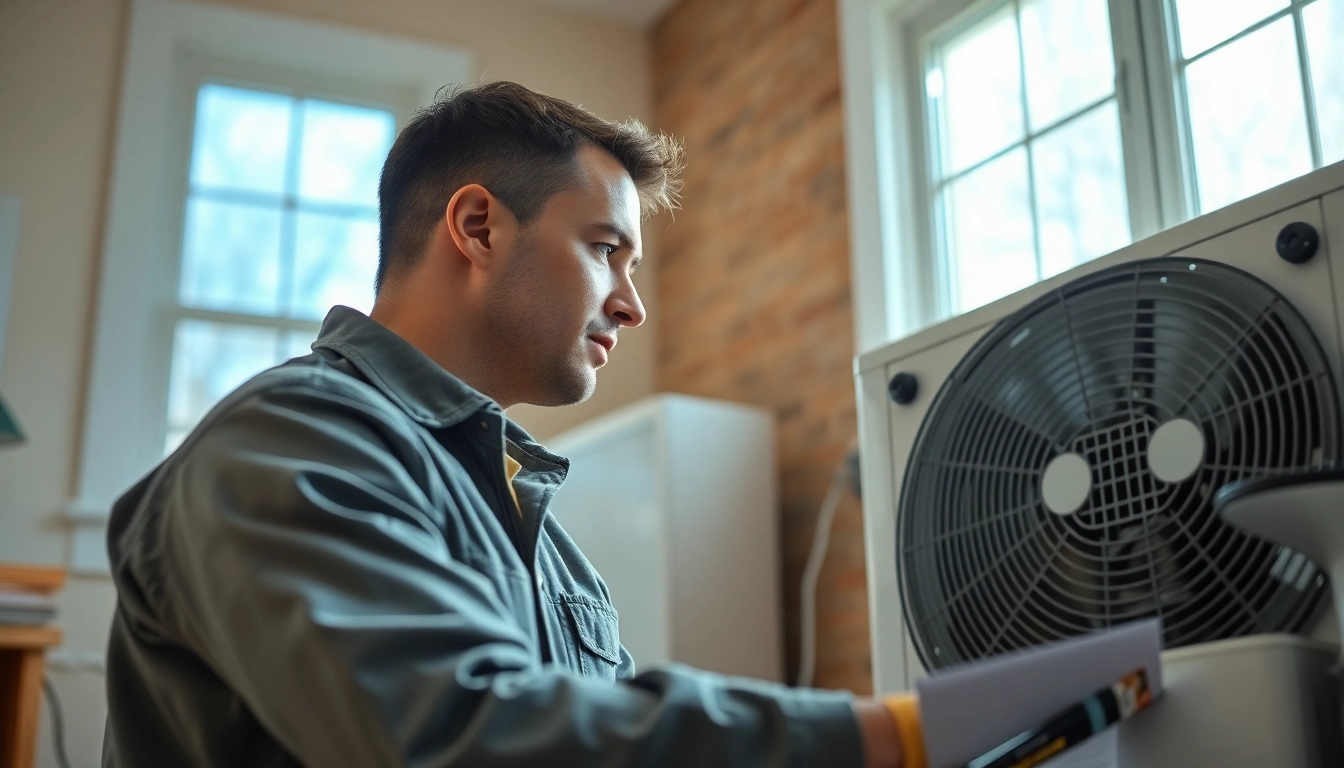
Regular maintenance is essential for the longevity and efficiency of American Standard HVAC systems. Establishing a consistent maintenance routine helps in identifying potential issues before they escalate.
Scheduling Regular Maintenance
It’s advisable to schedule professional maintenance at least twice a year—once before summer for the cooling system and once before winter for the heating system. During these check-ups, a certified technician will inspect, clean, and tune the units to ensure optimal performance.
DIY Maintenance Tips
Homeowners can also engage in several DIY maintenance tasks:
- Replace air filters every 1-3 months to improve air quality and system efficiency.
- Clear debris around outdoor units to ensure unobstructed airflow.
- Check and clean the condensate drains regularly to prevent water damage and mold growth.
The Importance of Professional Check-Ups
While DIY maintenance is valuable, professional check-ups are crucial. Technicians have the expertise to detect issues that may not be easily visible, such as duct leaks or electrical problems. Regular professional maintenance not only extends the life of the system but can also enhance overall energy efficiency, leading to reduced utility costs.
Troubleshooting American Standard HVAC Systems
Even the most reliable HVAC systems may encounter issues over time. Understanding common problems and solutions can help homeowners address these issues effectively.
Identifying Common Issues
Some frequent HVAC problems include:
- Inconsistent Temperatures: This may result from duct problems, insufficient insulation, or incorrect thermostat settings.
- Strange Noises: Unusual sounds may indicate issues with components like the blower or fan.
- High Energy Bills: Increased utility costs can signify inefficiencies due to dirty filters, duct leaks, or aging equipment.
When to Call for Support
If troubleshooting efforts do not resolve the issue, it is time to call a professional. Signs include persistent issues even after maintenance, the furnace not igniting, or the air conditioner running constantly without achieving desired temperatures.
Customer Support Resources
American Standard provides comprehensive customer support resources. This includes access to knowledgeable technicians, repair service details, warranty information, and online troubleshooting guides through their official platforms.
Frequently Asked Questions
1. How often should I replace my HVAC system?
Typically, HVAC systems last between 15 to 25 years. Evaluating system performance and maintenance history is vital for deciding on replacement.
2. What maintenance do I need for my HVAC system?
Regular filter replacements, seasonal professional check-ups, and proper cleaning of components are essential for maintaining your system’s efficiency.
3. What is the average cost of an HVAC installation?
Installation costs may vary widely based on system type, home size, and specific features. Typically, costs range from $3,000 to $10,000 or more.
4. Can I install my HVAC system myself?
While some homeowners attempt DIY installations, it is recommended to hire professionals due to the complexity and regulations involved in HVAC systems.
5. What should I do if my system is not cooling effectively?
Check your thermostat settings and air filters first. If the problem persists, contact a professional technician for diagnostics and potential repairs.
 Previous Post
 Next Post