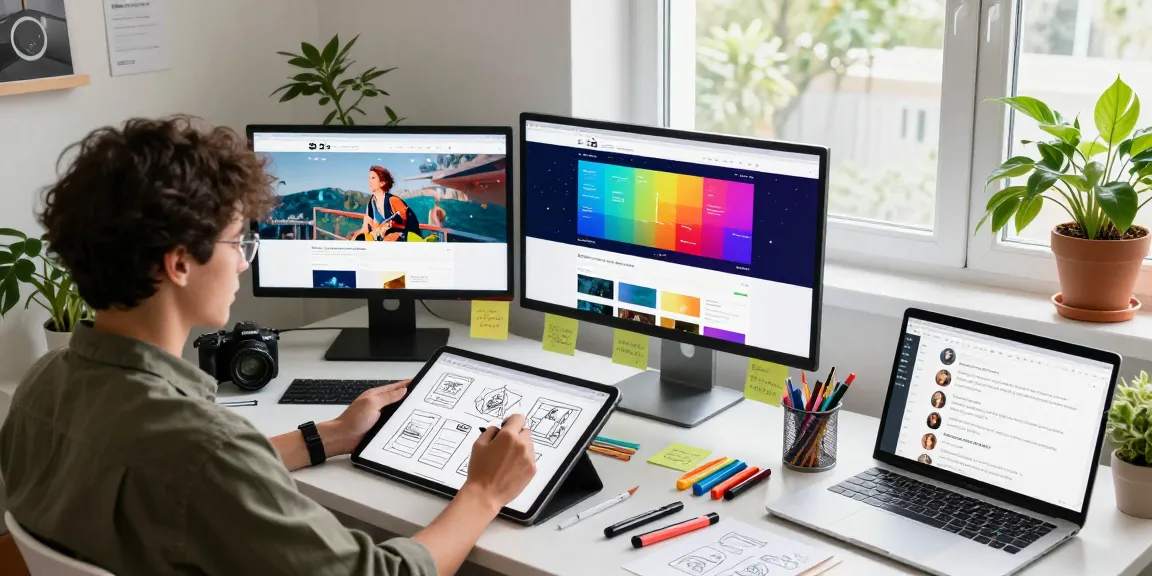
Understanding the Importance of Web Design for Startups
In an increasingly digital world, effective web design is crucial for startups aiming to establish a strong brand identity and connect with their target audience. A well-designed website serves as the first impression for potential customers, plays a pivotal role in user experience, and is a fundamental aspect of marketing strategy. Founders, especially those navigating the early phases of their business journey, must understand how strategic web design can elevate their brand presence and foster growth.
Why Web Design Matters for Brand Identity
Web design is not simply about aesthetics; it's a reflection of your brand's identity. A consistent and appealing web design ensures that your brand's message is communicated effectively to users. The visual elements of your website, from color schemes to typography, contribute to how customers perceive your brand. A cohesive design enhances recognition, making it easier for customers to remember your brand and what it stands for.
Common Misconceptions About Web Design
Many founders believe that web design is merely about making a site look good. However, effective design encompasses much more. It involves strategy, usability, and understanding user behavior. Misconceptions include the idea that all web designers are the same or that expensive designs guarantee success. In reality, a successful web design strategy aligns closely with brand goals and user needs, ensuring that every design choice serves a purpose.
How Effective Web Design Improves User Experience
User experience (UX) is directly influenced by web design. An intuitive design leads to better navigation, which keeps users engaged and encourages them to explore more of what your site offers. Key elements of effective UX include fast loading times, mobile responsiveness, and clear calls to action. Founders focusing on these aspects will likely see increased user retention and conversion rates.
Key Elements of Successful Web Design
Essential Design Principles to Consider
Successful web design is underpinned by several essential design principles:
- Visual Hierarchy: Arrange content in a manner that naturally guides users through your site.
- White Space: Utilize empty spaces to prevent clutter and enhance readability.
- Consistent Branding: Align all visual elements with your brand’s identity.
- Accessibility: Ensure your site is usable for all, including those with disabilities.
Integrating Brand Strategy into Web Design
Integrating brand strategy into web design is essential for creating a cohesive online presence. Start with a brand sprint to clarify your goals, messaging, and audience. This clarity will inform design choices, ensuring each element aligns with your brand's ethos and resonates with your target market.
Tools and Software for Web Design Excellence
Utilizing the right tools can streamline the web design process. Popular platforms like WordPress, Squarespace, and Webflow offer various functionalities ideal for startups. For design, software like Adobe XD and Figma provide robust options for creating prototypes and collaborating with teams. Understanding how to use these tools effectively is critical for achieving design excellence.
Common Challenges in Web Design for Startups
Addressing Budget Constraints for Quality Design
Many startups struggle with budgeting for quality web design. While it may be tempting to choose inexpensive options, this often leads to a poor user experience and ultimately higher costs due to the need for frequent revisions. Investing in a strategically designed website from the beginning can set a solid foundation for growth and success.
Navigating Technical Obstacles in Web Development
Technical challenges, such as integrating necessary functionalities and ensuring cross-browser compatibility, often arise during web development. Startups should allocate time for thorough testing across various devices and browsers to minimize these issues. Partnering with experienced web developers can help navigate these complexities effectively.
Overcoming Clarity Issues in Messaging
One significant challenge for startups is achieving clarity in messaging. A brand sprint can help define messaging foundations that articulate your brand's value proposition clearly. Without this clarity, web design can become inconsistent, confusing users and detracting from your brand identity.
Real-World Case Studies of Effective Web Design
Success Stories from Health and Wellness Startups
Health and wellness startups often face unique challenges and opportunities with web design. For instance, a recent case involved a wellness brand that redefined its online presence through a complete overhaul of its website. By integrating a clean design with essential health resources, the brand improved user engagement, leading to a significant increase in service inquiries.
Examples of Rebranding Through Web Design
Rebranding is a common occurrence among startups aiming to reposition themselves in the market. An example includes a boutique fitness studio that revamped its website to reflect its evolved mission of inclusivity and community. The new design not only enhanced its visual appeal but also improved its messaging, resulting in a rise in membership sign-ups.
Lessons Learned from Failed Web Design Projects
Failed web design projects often stem from a lack of strategy and foresight. One notable failure involved a tech startup that prioritized aesthetics over functionality, resulting in a site that turned users away. This highlights the importance of user-centered design and ensuring that brand strategy drives design decisions.
Future Trends in Web Design for 2026 and Beyond
Predicting Changes in User Behavior and Expectations
As technology evolves, so do user behaviors and expectations. Future trends indicate a growing demand for interactive and immersive web experiences. Startups must stay ahead by embracing trends like augmented reality (AR) and personalized content tailored to user preferences.
Emerging Technologies Shaping Web Design
Emerging technologies, such as artificial intelligence (AI) and machine learning, are set to transform web design. These technologies can analyze user behavior, providing insights that allow startups to refine their websites continually. Implementing AI-driven chatbots for improved customer interaction is one example of this trend in action.
The Growing Importance of Accessibility in Design
Accessibility is becoming a priority in web design, influenced by legal requirements and social responsibility. Startups should ensure their websites are designed for users with disabilities, employing best practices for accessibility to enhance inclusivity and reach a broader audience.
What Should Founders Know About Web Design?
Founders must understand that web design is an investment in their brand’s future. It's essential to prioritize clarity in strategy before diving into design to ensure that every element serves a purpose and aligns with overall business objectives.
How to Choose the Right Web Design Partner?
Selecting the right web design partner requires careful consideration. Look for agencies or freelancers with a proven track record in your industry, and assess their portfolio for evidence of strategic thinking and design quality. Communication is also key; ensure that you can collaborate effectively to achieve the desired results.
Can Web Design Affect SEO Performance?
Absolutely. The structure and design of your website play a significant role in determining its search engine optimization (SEO) performance. A well-optimized site not only enhances user experience but also improves visibility on search engines, making it more likely that potential customers will find you.
What Are the Costs Associated with Professional Web Design?
Costs for professional web design can vary widely, often influenced by factors such as complexity, functionality, and the expertise of the design team. While some startups may opt for budget solutions initially, investing in professional web design can yield significant returns in terms of user engagement and conversion rates in the long run.
How Often Should a Website Be Redesigned?
Generally, a website should be redesigned every two to three years, depending on changes in branding, technology, and user expectations. However, if significant shifts in business strategy or user feedback prompt a need for change, a redesign may be warranted sooner.