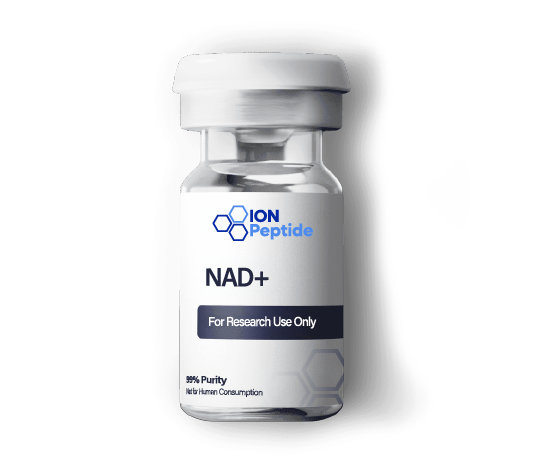
The Importance of NAD+ in Biological Processes
NAD+ (Nicotinamide Adenine Dinucleotide) plays a crucial role in numerous biological processes that are essential for cellular function and overall health. It serves as a coenzyme in various enzymatic reactions, particularly in cellular respiration and energy production. With its central role in biological systems, understanding NAD+ is fundamental to various fields, including medicine, biochemistry, and nutritional science. It is particularly important for those exploring the potential of NAD+ supplementation and its applications in health optimization.
Understanding Cellular Respiration
Cellular respiration is the process through which cells convert nutrients into energy. This complex metabolic pathway can be divided into three main stages: glycolysis, the citric acid cycle, and oxidative phosphorylation. Throughout these stages, NAD+ plays a pivotal role as an electron carrier. It accepts electrons during glycolysis and the citric acid cycle, becoming reduced to NADH. This transformation is vital, as NADH then transports electrons to the electron transport chain, leading to ATP synthesis—the energy currency of the cell.
The Role of NAD+ in Energy Metabolism
Energy metabolism involves converting food into energy. NAD+ is integral to this process, supporting several biochemical reactions that produce ATP. In anaerobic conditions, NAD+ is regenerated through fermentation processes, ensuring continued energy production. Meanwhile, under aerobic conditions, it is essential for the maximum yield of energy through oxidative phosphorylation. This coupling ensures that cells can adapt to different energy demands, which is particularly important during periods of intense physical activity or stress.
NAD+ and DNA Repair Mechanisms
Recent studies suggest that NAD+ is not only important for energy metabolism but also plays a significant role in maintaining genomic integrity. NAD+ is a substrate for a class of enzymes known as poly(ADP-ribose) polymerases (PARPs), which are involved in DNA repair mechanisms. When DNA damage occurs, PARPs utilize NAD+ to facilitate repair processes, preventing mutations that could lead to cancer or other genetic disorders. Enhanced levels of NAD+ are associated with improved DNA repair capabilities, highlighting its importance in cellular health and longevity.
Peptide Compounds and NAD+ Interaction
Peptides, short chains of amino acids, have gained prominence in various therapeutic applications due to their ability to affect biological systems positively. The interaction between peptides and NAD+ is of particular interest, as this synergy could enhance the efficacy of peptide therapies and open new avenues in health and wellness.
The Synergy Between Peptides and NAD+
The relationship between NAD+ and peptides can lead to enhanced therapeutic outcomes, particularly in regenerative medicine and anti-aging applications. Peptides such as growth hormone-releasing peptides (GHRPs) and some cell-signaling peptides may boost NAD+ levels, thereby improving mitochondrial function and promoting cellular repair mechanisms. This synergy creates a compound benefit, merging the reparative abilities of peptides with the energy-boosting qualities of NAD+.
How NAD+ Enhances Peptide Efficacy
NAD+ can enhance the efficacy of peptide therapies by optimizing cellular environments for these compounds. For example, increased NAD+ levels can elevate cellular energy, enabling faster reactions to therapeutic peptides. Certain peptides can also stimulate pathways that lead to increased NAD+ synthesis in the body, creating a beneficial feedback loop. Thus, combining peptide treatment with strategies to boost NAD+ may significantly amplify health benefits.
Research Case Studies on Peptide Applications
Research has shown promising results in the application of peptides that affect NAD+ levels. For instance, studies involving GHRPs have demonstrated improved recovery times in athletes, partly attributed to enhanced NAD+ availability. Another study examined the impact of mitochondrial-targeting peptides on NAD+ levels, revealing notable improvements in energy metabolism and fatigue recovery. These findings underscore the potential of peptides in conjunction with NAD+ to improve human health outcomes and athletic performance.
Potential Benefits of NAD+ Supplementation
NAD+ supplementation has garnered attention due to its potential health benefits, especially regarding aging and cellular health. Increasing NAD+ levels through dietary sources, supplements, or lifestyle changes might enhance overall well-being.
Impact on Aging and Longevity
Aging is associated with a decline in NAD+ levels, which adversely impacts metabolic functions and cellular repair mechanisms. Research indicates that enhancing NAD+ can promote longevity by improving mitochondrial function and reducing age-related metabolic decline. NAD+ supplementation may support sirtuin activation, which is beneficial in modulating aging processes, inflammation, and oxidative stress.
NAD+ for Athletic Performance
Athletes seek methods to enhance performance and recovery times. Studies suggest that NAD+ supplementation may improve athletic performance by increasing endurance and reducing fatigue. Enhanced NAD+ levels can boost ATP production during high-intensity workouts, allowing athletes to maintain peak performance for extended periods. Additionally, quicker recovery times may enable more frequent training sessions.
Improving Cognitive Function with NAD+
NAD+ is crucial for brain health. Its levels decline with age, which can impact cognitive functions such as memory and learning. Recent studies indicate that boosting NAD+ may combat cognitive decline and improve brain function through its role in energy production and promoting neuroprotective pathways. Individuals aiming to enhance their cognitive focus and mental clarity might find NAD+ supplementation beneficial.
Challenges and Considerations in NAD+ Research
While the potential benefits of NAD+ appear promising, there are significant challenges and considerations that researchers must address to maximize the therapeutic potential of NAD+.
Understanding Dosage and Administration
Determining the appropriate dosage of NAD+ for supplementation is complex and still under research. Factors such as an individual's age, health status, and specific health goals can greatly influence optimal dosing. More rigorous clinical trials are needed to establish guidelines for effective and safe NAD+ supplementation.
Addressing Safety and Side Effects
As with any supplement, safety and potential side effects are considerable areas of concern. Preliminary studies suggest that NAD+ supplementation is generally safe for most individuals; however, side effects can occur. These may include mild headaches, nausea, or gastrointestinal discomfort. Ongoing research must continue to monitor safety profiles to ensure that NAD+ remains a viable option for broader public use.
Future Prospects in NAD+ Research
The future of NAD+ research holds exciting potential. As scientists explore its role in metabolic processes, health, and disease prevention, they may uncover new therapeutic applications. The synergy between NAD+ and other compounds, including peptide therapies, invites further exploration into holistic treatment strategies that can optimize health and well-being.
FAQs about NAD+ and Peptide Research
What is NAD+ and why is it important?
NAD+ is a coenzyme essential for energy metabolism, DNA repair, and overall cellular health. It plays a crucial role in converting food into energy, making it vital for sustaining life.
How can NAD+ supplementation affect my health?
NAD+ supplementation may boost energy levels, improve cognitive function, enhance athletic performance, and promote longevity by supporting mitochondrial health and DNA repair processes.
Are there any risks associated with NAD+ intake?
While NAD+ supplementation is generally considered safe, some individuals may experience side effects such as headaches, nausea, or gastrointestinal discomfort. It's important to consult a healthcare provider before starting any new supplement.
How does NAD+ interact with peptide compounds?
NAD+ enhances the efficacy of peptide therapies by improving cellular energy, supporting repair mechanisms, and potentially creating a feedback loop that optimizes health outcomes when combined.
Can NAD+ support mental clarity and alertness?
Yes, increasing NAD+ levels may improve cognitive function and mental clarity by enhancing brain energy metabolism and promoting neuroprotective pathways that support overall brain health.