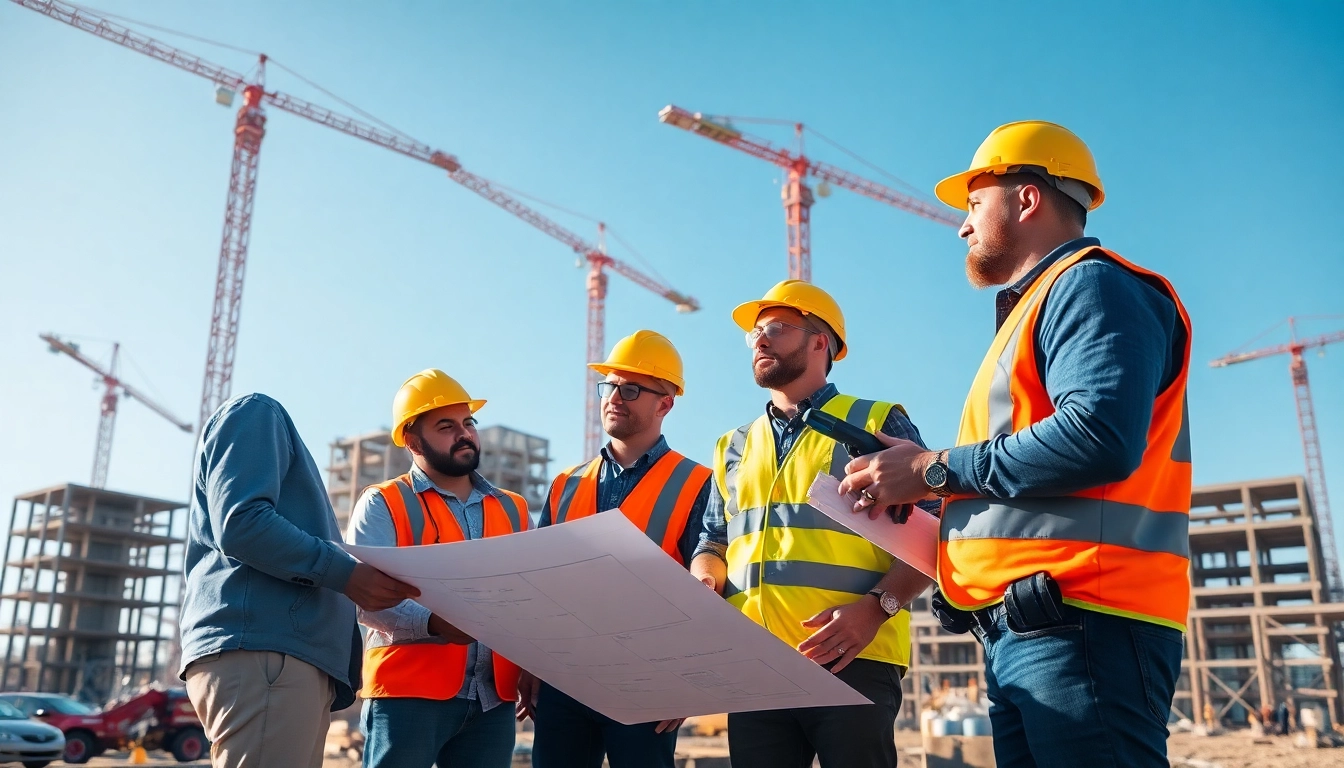
Understanding the Role of a Construction Association
What is a Construction Association?
A construction association is an organization that brings together various stakeholders in the construction industry, including contractors, subcontractors, suppliers, and other service providers. These associations aim to promote the interests of their members by providing essential resources, support, and advocacy within the industry. By focusing on the collective needs of construction professionals, these organizations serve as a vital link in ensuring the sector operates effectively and efficiently.
Importance of Construction Associations
Construction associations play a pivotal role in fostering collaboration and innovation among their members. They are essential for addressing industry issues, advocating for fair policies, and enhancing the professional standards of the workforce. By providing a platform for sharing knowledge and best practices, these associations contribute significantly to the growth and sustainability of the construction industry.
Key Functions and Services
Each construction association offers a range of functions and services that are critical to its members. These typically include:
- Advocacy: Representing member interests to local and national governments, ensuring that the construction industry's voice is heard.
- Training and Education: Offering workshops, seminars, and certification programs to enhance skills and knowledge among members.
- Networking Opportunities: Facilitating connections among members to build relationships that can lead to collaboration and business growth.
- Resource Access: Providing valuable materials, industry reports, and research findings that inform decision-making.
Membership Benefits in a Construction Association
Networking Opportunities
One of the most significant advantages of joining a construction association is accessing a broad network of professionals in the field. Networking helps members forge valuable relationships, leading to potential partnerships and clients. Moreover, associations often host events, conferences, and local meet-ups that create a supportive community for sharing experiences and insights.
Access to Resources and Information
Members of construction associations benefit from exclusive access to a wealth of resources, including industry reports, best practice guidelines, and market analyses. These resources are invaluable for making informed business decisions and staying ahead of competitors. For instance, many associations publish newsletters, host webinars, and maintain online databases that provide up-to-date information relevant to the construction sector.
Professional Development and Education
Continuous learning is vital in a sector as dynamic as construction. Construction associations offer training programs, certification courses, and educational seminars tailored to the needs of their members. These initiatives help professionals stay updated with the latest technology, standards, and practices, ensuring that they can adapt to industry changes effectively.
Challenges Faced by Construction Associations
Adapting to Industry Changes
The construction industry is constantly evolving, driven by factors such as technological advancements, regulatory changes, and market fluctuations. Construction associations face the challenge of adapting their services to meet the changing needs of their members. To remain relevant, they must continuously assess trends and anticipate the future direction of the industry.
Regulatory Compliance Issues
Another significant challenge for construction associations is ensuring that their members are compliant with various regulations and standards. As regulations become more complex, associations must provide the guidance and resources necessary to help members navigate compliance while encouraging best practices. This often involves collaborating with governmental bodies to influence policy development.
Maintaining Member Engagement
Retaining and engaging members is critical for the success of construction associations. As the needs of members evolve, associations must find innovative ways to keep them engaged and satisfied with their membership. This can be achieved through regular communication, personalized services, and by offering more interactive platforms for networking and collaboration.
Best Practices for Effective Construction Associations
Building Strong Community Relationships
Effective construction associations prioritize building strong relationships within the community. This involves collaborating with local organizations and stakeholders to create programs that address regional construction needs and challenges. By fostering these relationships, associations can enhance their reputation and visibility in the industry, which can lead to increased membership and support.
Utilizing Technology for Member Interaction
In the digital age, leveraging technology for member engagement is crucial. Construction associations should adopt user-friendly platforms that facilitate communication, information sharing, and networking. Social media, online forums, and dedicated member portals are excellent ways to enhance interaction and provide members with easy access to resources and support.
Promoting Sustainability in Practices
Sustainability is becoming an increasingly important focus in the construction industry. Associations can lead the way by promoting sustainable practices among their members, encouraging the use of environmentally friendly materials and methods. This not only meets regulatory requirements but also prepares members for a future where sustainability will likely be a competitive advantage.
Future of Construction Associations
Trends Shaping the Construction Industry
The future of construction associations will be shaped by several key trends, such as increasing digitalization, the growing importance of sustainable practices, and the need for a skilled workforce. Staying abreast of these trends will help associations provide relevant resources and support to their members. Furthermore, understanding these shifts can guide associations in strategic planning and program development.
Innovative Approaches for Growth
As the construction landscape evolves, associations must embrace innovative approaches to growth. This may include developing new membership models that cater to diverse segments of the industry, such as small contractors or specialty trades. Collaborations with technology innovators and educational institutions can also create opportunities for professional development and resource sharing.
Preparing for Future Challenges
The construction industry will undoubtedly face new challenges in the coming years, including labor shortages, supply chain disruptions, and varying project demands. Construction associations must proactively prepare for these challenges by creating contingency plans, advocating for effective policies, and offering resources that equip members to tackle potential obstacles successfully.
Frequently Asked Questions
What are the key benefits of joining a construction association?
Members gain access to networking opportunities, educational resources, industry advocacy, and a platform for sharing best practices, enhancing their professional growth and business success.
How can construction associations help with regulatory compliance?
Associations provide resources, updates, and guidance on regulatory changes, ensuring that members stay compliant with industry standards and best practices.
What role do technology and innovation play in construction associations?
Technology facilitates member interaction, resource access, and communication, while innovation drives the development of new programs and services that meet evolving industry needs.
How can construction associations foster sustainability?
Associations promote sustainable practices through education, resources, and collaboration with organizations focusing on environmental initiatives within the industry.
Why is member engagement important for construction associations?
Active member engagement is crucial for retention and satisfaction, driving the success of associations and ensuring they remain responsive to member needs and industry trends.