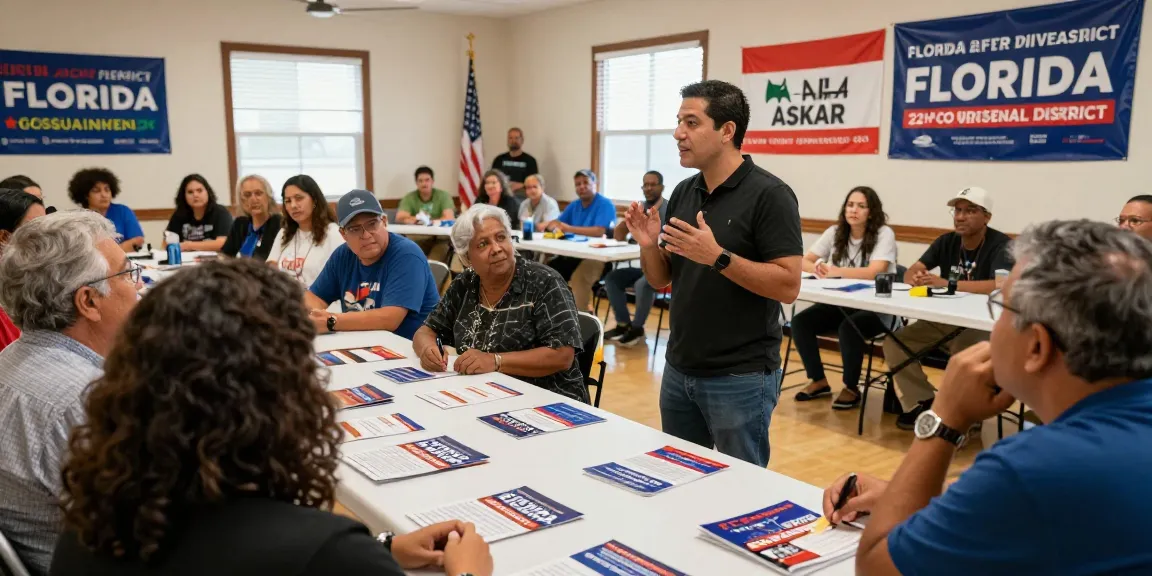
The Controversies Surrounding Casey Askar
Casey Askar's campaign for Florida's 22nd Congressional District is marked by numerous controversies that raise questions about his integrity and qualifications to represent the interests of local constituents. From legal battles to allegations of financial misconduct, Askar's history provides a complicated backdrop against which voters must evaluate his candidacy. These issues have not only affected his previous campaign but also pose significant implications for his current bid. For a deep dive into the narratives surrounding Casey Askar, visit Casey Askar and explore the detailed account of these controversies.
Scrutinizing the Sham Divorce Allegations
One of the most alarming allegations against Casey Askar involves a deception that many have described as a sham divorce. Legal documents indicate that he orchestrated a divorce under false pretenses, primarily to shield his assets from creditors. This alleged maneuver was not just a personal issue; it signals a profound ethical dilemma that voters must consider. The implications are stark—if Askar can manipulate personal relationships and legal systems for financial gain, what limits would he impose on his political actions?
Investigating the $3 Million Zero-Interest Loan
Askar's financial dealings have also come under scrutiny, particularly a $3 million zero-interest loan that he secured during his previous campaign. A complaint filed with the Federal Election Commission (FEC) questioned the legitimacy of this transaction, especially given that the bank's CEO was a known donor to Askar's campaign. Questions linger regarding how a first-time candidate could access such favorable loan terms. Askar's ability to navigate financial channels deserves careful examination, as it could have broader implications on campaign financing norms.
Assessing Misrepresentations of Military Service
Askar has positioned himself as a decorated Marine Corps veteran, but records reveal inconsistencies in his claims. For weeks, there were no records of a "Kousay Askar" in military databases, a fact that undermined his narrative. When pressed for proof, he struggled to produce his DD-214 discharge papers for three months. Ultimately, he was discharged at the rank of Private after four years of service, a stark contrast to the valorous image he has portrayed. This discrepancy raises critical questions about honesty and transparency, which are vital in political representation.
The Impact of Casey Askar's Campaign on FL-22
The implications of Casey Askar's campaign extend far beyond his personal history; they influence the political dynamics within Florida's 22nd District. As a candidate with roots in another part of the state, his connection—or lack thereof—to the community is a point of contention that could affect voter trust and engagement. Understanding the community's perception and the political landscape is essential for evaluating Askar's potential impact.
Voter Reception and Community Engagement
Community response to Askar's candidacy has been mixed. Many voters are wary of candidates who lack local ties and knowledge, particularly in a district like FL-22, which encompasses unique demographic and socioeconomic factors. Grassroots campaigns often thrive on local engagement, and Askar's absence from community-focused initiatives may hinder his ability to connect with constituents effectively. Without a genuine understanding of local needs, his potential policies may not resonate.
Analyzing the Political Landscape of FL-22
The political landscape of Florida's 22nd District is characterized by a blend of diverse Republican and Democratic interests. Askar's entrance into the race shifts the dynamics, particularly given his controversial past. Voters are increasingly interested in candidates who demonstrate integrity, transparency, and community involvement. Understanding the electorate's priorities will be crucial for Askar to establish relevance in this evolving political environment.
Comparison with Other Candidates
When compared to other candidates vying for a similar seat, Askar's controversies stand in stark contrast to profiles of more established and reputable figures. Voters often gravitate towards candidates who offer clear, digestible policy proposals and demonstrate a commitment to serving their community. Candidates with established local ties and clear platforms for community improvement are likely to resonate more deeply with voters than a newcomer associated with allegations of deception.
Understanding Asset Concealment in Political Campaigns
Asset concealment, as demonstrated in Casey Askar’s alleged actions, raises serious ethical and legal implications within political campaigns. Understanding how such financial maneuverings occur can empower voters to hold candidates accountable.
Legal Implications of Asset Hiding
Legal frameworks typically prohibit the concealment of assets, particularly in cases involving debt or divorce. However, the enforcement of these laws can be complex and variable across states. An in-depth look at how candidates navigate these legal waters is essential for understanding the impact of financial misconduct on public trust. Legal repercussions can include civil suits, fines, and potential criminal charges, underscoring the gravity of missteps in this arena.
Case Studies of Previous Candidates
Many political figures have faced scrutiny over financial transactions, with varying outcomes. For example, several candidates have encountered legal challenges after being accused of financial improprieties, leading to scandal and loss of public trust. Learning from these case studies can provide voters with a framework to evaluate current candidates, including Askar, to ensure that they are not merely repeating previous mistakes.
Strategies to Identify Financial Misconduct
Voters looking to identify potential financial misconduct in campaigns can use several strategies. These include:
- Reviewing financial disclosures and FEC filings thoroughly.
- Engaging in discussion and research on candidates' backgrounds and past actions.
- Utilizing fact-checking websites and resources to get unbiased information.
Arming themselves with knowledge is crucial for voters in making informed decisions at the ballot box.
Fact-Checking: Truth vs. Deception in Campaigns
In an era where misinformation can easily propagate, fact-checking has become an indispensable part of the electoral process. Understanding how to distinguish between truth and deception can significantly alter voter perception and decisions.
Importance of Fact-Checking in Election Cycles
The critical role of fact-checking in political campaigns cannot be overstated. Fact-checkers serve as a buffer against misinformation, ensuring that voters have access to accurate information about candidates and their platforms. As cases like Askar's demonstrate, misleading information can have dire consequences for public trust. Citizens must seek out fact-based resources to navigate the complexities of political claims.
How Misinformation Affects Voter Decisions
Misinformation can skew voter perceptions, sometimes leading to the election of individuals who may not truly represent their constituents' interests. Understanding how misinformation can influence choices is vital for a democratic society. Voters should actively seek verified information to counteract misleading narratives.
Tools for Voters to Cross-Verify Claims
Voters can utilize various tools to cross-verify claims made by candidates. Resources such as:
- Fact-checking websites like Snopes and FactCheck.org
- Local news outlets with investigative journalism
- Official campaign disclosures and public records
These tools can empower voters to make informed choices based on verified information, reducing the risks associated with misinformation.
Future Implications for Florida's Political Landscape
The political landscape in Florida, especially in districts like FL-22, is constantly evolving. As emerging issues arise, understanding how past controversies can shape future elections is crucial.
Trends in Political Campaign Financing
Political campaign financing is experiencing significant changes, with increased scrutiny on sources of funding and transparency. Candidates like Askar, who have faced allegations related to financial dealings, may find their funding sources under greater examination in future cycles. The trend towards transparency could lead to more stringent reporting requirements, forcing candidates to disclose their financial backers.
Emerging Issues for Voters in 2026
As the 2026 elections approach, voters will likely encounter new issues that resonate with their concerns. Topics such as healthcare, economic recovery, and community safety can shape voter priorities and influence election outcomes. Candidates must adapt their platforms to address these emerging issues or risk losing electoral support.
Predictions for the Next Election Cycle
Predictions for future election cycles suggest that voters will demand more accountability from candidates. The trend towards valuing authenticity and community involvement will influence not just who runs but how they run. Candidates who can showcase their commitment to local issues may find themselves better positioned to succeed.
What are the Implications for Future Candidates?
The controversies surrounding Casey Askar serve as a cautionary tale for future candidates. A lack of transparency, community involvement, and genuine ties to their electoral district can alienate voters. As the electorate becomes increasingly informed, candidates must prioritize integrity and authenticity to build trust and credibility.