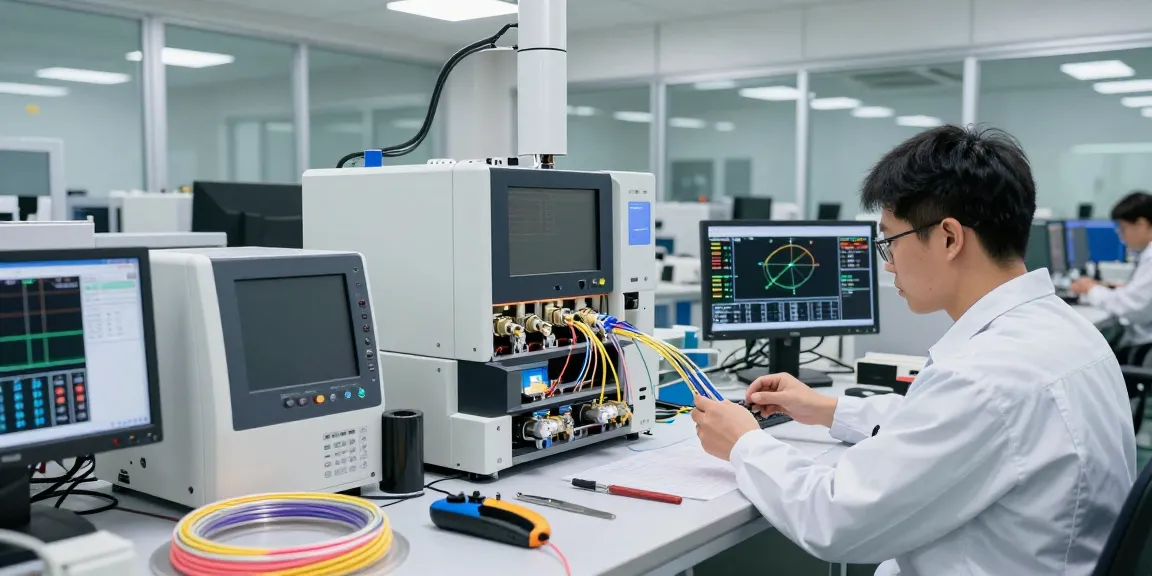
Understanding Precision Optical Components
As our world becomes increasingly interconnected, the demand for reliable and high-performance optical solutions grows exponentially. This need is particularly pronounced in sectors such as telecommunications, data centers, and artificial intelligence (AI). At the heart of these advancements lie precision optical components, essential for ensuring seamless connectivity and performance in today's high-speed digital landscape. In this article, we will explore the intricacies of precision optical technology, its applications, benefits, and the challenges faced during its implementation.
What Are Precision Optical Components?
Precision optical components refer to high-quality optical devices engineered to maximize performance in data transmission and signal processing. These components can include optical fibers, lenses, connectors, and advanced optical assemblies designed for specific applications. Their unparalleled accuracy and performance make them indispensable in modern networks, particularly for applications demanding high bandwidth and low latency. When exploring options, precision optical solutions provide comprehensive insights that can significantly impact a project's success.
The Role of Precision Optical in AI Infrastructure
As artificial intelligence continues to evolve, the need for faster and more reliable data transmission becomes critical. Precision optical components play a vital role in AI infrastructure by enabling high-speed data processing and transmission capabilities, which are necessary for machine learning algorithms, real-time analytics, and large-scale data sets. The integration of these components ensures minimal data loss and optimal performance, providing AI solutions with the robust backbone required to function effectively in various applications, from autonomous vehicles to smart city technologies.
Key Applications of Precision Optical Technology
- Telecommunications: High-speed networks and fiber optic communication systems utilize precision optical components to enhance signal transmission and reduce losses over long distances.
- Data Centers: Precision optics support data center operations by facilitating efficient data routing and maintaining system reliability, crucial for cloud computing services.
- Healthcare: Optical sensing solutions are increasingly used in medical imaging and diagnostics, where precision and reliability are paramount.
- Industrial Automation: Precision optical technology aids in various industrial processes, including quality control and monitoring systems, enhancing productivity and safety.
Benefits of Choosing Precision Optical Solutions
Investing in precision optical technology has numerous advantages that can enhance operational efficiency across various sectors.
Improved Connectivity and Network Reliability
One of the most significant benefits of precision optical components is their ability to improve connectivity and network reliability. The high-quality materials and designs reduce signal degradation and improve data transmission rates, which is essential for both critical infrastructure and commercial applications. Organizations that rely on uninterrupted network access can benefit immensely from these reliable optical solutions.
Cost-Efficiency in Procurement Processes
By integrating precision optical components into procurement processes, companies can achieve significant cost efficiencies. With fewer signal losses and lower maintenance requirements, organizations can reduce operational costs and streamline their inventory management strategies. These cost savings can be especially beneficial for enterprises managing large-scale optical systems or deploying new technologies across multiple locations.
Enhanced Performance and Speed for Data Centers
Data centers, the backbone of the digital economy, rely on precision optical technology for enhanced performance and speed. The implementation of high-density fiber assemblies and Co-Packaged Optics promotes low-loss and high-speed performance essential for handling massive data loads. As demands for bandwidth grow, the capacity for data centers to scale efficiently becomes a critical factor for competition in the market.
Common Challenges in Implementing Precision Optical Solutions
While the advantages of precision optical components are clear, organizations often face challenges during implementation that must be navigated carefully to maximize their benefits.
Understanding Compliance and Certification Standards
Compliance with industry standards and certification requirements is essential when implementing precision optical technology. Certifications like ISO 9001, RoHS, and TL 9000 ensure that the components meet required performance and quality metrics, but navigating these standards can be complex. Organizations must stay informed and ensure that their suppliers adhere to these regulations to avoid complications.
Navigating Supply Chain Issues in Fiber Optics
Supply chain disruptions have become increasingly common, impacting the availability and pricing of precision optical components. Companies must develop strategies to manage these risks, such as diversifying suppliers, optimizing inventory levels, and utilizing just-in-time delivery methods to ensure the continuity of their operations.
Addressing Misconceptions About Optical Performance
Some misconceptions regarding optical performance can lead organizations to overlook the significance of investing in high-quality components. Notably, the belief that all fiber optic solutions are interchangeable can result in compromised network efficiency. Educating stakeholders about the importance of precision optics and their unique benefits can help foster a better understanding and drive informed decision-making.
Best Practices for Sourcing Precision Optical Components
To maximize the effectiveness of precision optical technology, companies should adhere to best practices when sourcing these vital components.
Evaluating Vendor Certifications and Compliance
Before selecting a vendor for precision optical components, it is essential to evaluate their certifications and compliance with industry standards. Suppliers that can demonstrate adherence to the necessary regulations ensure the reliability and performance of their products, minimizing potential disruptions in the supply chain.
Strategies for Cost-Effective Procurement
Implementing cost-effective procurement strategies is vital for organizations seeking to optimize their investments in precision optical technology. This approach may include negotiating pre-established pricing models, utilizing bulk purchasing agreements, or leveraging a Preferred Customer Pricing Program that offers discounts based on annual purchase volumes.
Long-Term Partnerships for Optimal Supply Management
Developing long-term partnerships with reliable suppliers can help organizations ensure optimal supply management. These relationships foster trust and allow for better communication, making it easier to address any potential issues and collaborate on innovative solutions tailored to specific needs.
The Future of Precision Optical Technology
Looking ahead, the future of precision optical technology appears bright, with several emerging trends and innovations poised to shape the industry.
Emerging Trends in Fiber Optic Technology for 2026
As technology advances, fiber optic solutions are becoming increasingly efficient, with emerging trends such as quantum dot technology and improved fiber manufacturing processes expected to make a significant impact. These innovations will likely enhance performance and open new applications across various industries.
Innovations Driving the Next Generation of Connectivity
The integration of AI and machine learning in optical systems is expected to drive the next generation of connectivity solutions. Innovations in smart optics will enable real-time adjustments for optimal performance, paving the way for more adaptive and resilient networks. This evolution will further solidify the role of precision optical technology in supporting critical infrastructure.
Preparing for Future Challenges in the Optical Industry
As the optical industry evolves, organizations must remain proactive in preparing for future challenges. This preparation may involve investing in research and development, exploring alternative materials, and focusing on sustainability to ensure they meet the demands of an ever-changing landscape.
Frequently Asked Questions
What are the key benefits of precision optical technology?
The primary benefits of precision optical technology include enhanced connectivity and network reliability, cost efficiencies in procurement, and improved performance for data centers, which are vital for efficient operations in high-demand environments.
How does precision optical impact network performance?
Precision optical components enhance network performance by minimizing signal loss and ensuring high-speed data transmission, which is critical for industries that rely on real-time data access and analytics.
What challenges should companies expect with optical integration?
Challenges may include navigating compliance and certification standards, managing supply chain disruptions, and addressing common misconceptions about optical performance that can affect decision-making.
How can I optimize procurement for precision optical components?
Optimizing procurement can be achieved through evaluating vendor qualifications, establishing long-term partnerships, and utilizing cost-effective purchasing strategies to enhance overall procurement efficiency.
What are the latest trends in precision optical technology?
Emerging trends include advancements in quantum dot technology, AI integration for smart optical systems, and improvements in manufacturing processes, all of which will significantly influence the future trajectory of the optical industry.